



Lebanon Launches First Electric Intercity Bus Service Connecting Byblos and Beirut
Supported by the United Nations Development Programme and Funded by the Global Environment Facility
Byblos – Lebanon today launched its first public electric intercity bus service connecting Byblos and Beirut, marking a major step toward promoting more sustainable and modern public transportation solutions amid rising fuel prices, the worsening economic crisis, and increasing pressure on the transportation and mobility sector across the country.
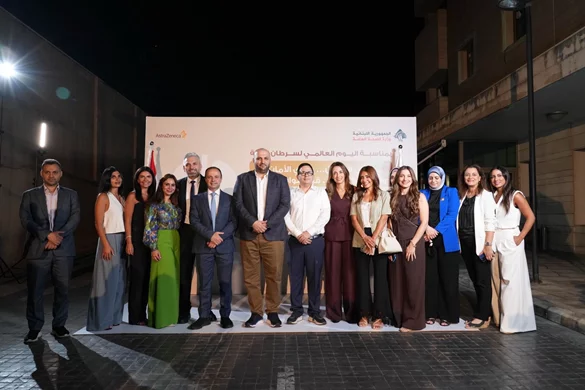
This initiative, implemented by the United Nations Development Programme (UNDP) and funded by the Global Environment Facility (GEF), is part of ongoing efforts to support the transition toward more sustainable transport systems in Lebanon. The service was officially inaugurated at the Byblos bus station in the presence of H.E. Minister of Public Works and Transport Fayez Rasamny; current and former Mayors of Byblos, Joseph Chami and Wissam Zaaarour; representatives of the Railway and Public Transport Authority, including Ziad Chia; UNDP Resident Representative in Lebanon Blerta Aliko; as well as representatives of donor organizations, implementation partners, municipalities, and members of the local community.
This step also reflects the commitment of the Ministry of Environment to continue leading Lebanon’s climate agenda and translating national priorities into practical and tangible initiatives on the ground through strategic partnerships with the Global Environment Facility.
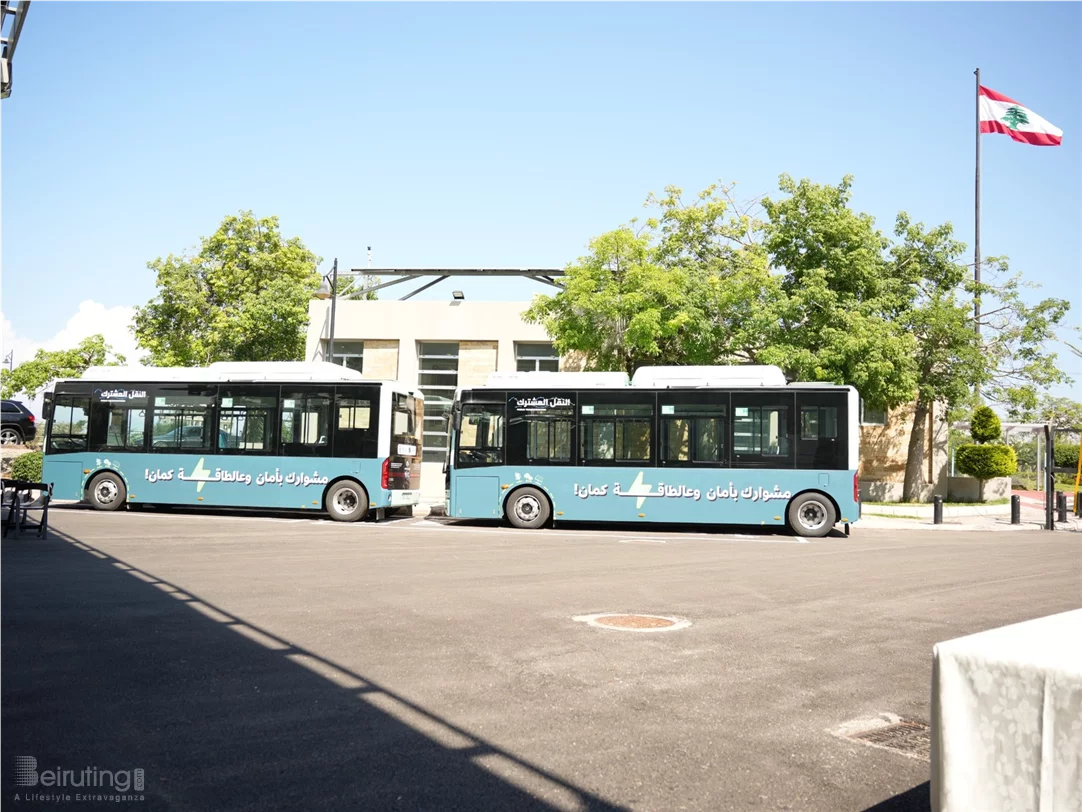
The service includes the operation of four fully electric buses supported by solar-powered charging infrastructure at the Byblos station. The buses will be operated by the Railway and Public Transport Authority in partnership with Al-Ahdab Trading and Transport Company (ACTC).
The service is expected to benefit approximately 150,000 passengers annually by providing a cleaner, more affordable, and more reliable transportation option. It will also contribute to easing traffic congestion, reducing reliance on private vehicles, and cutting nearly 900 tons of carbon dioxide emissions annually.
The new buses are equipped with accessibility features for persons with disabilities, ensuring ease of access and use. The initiative also adopts inclusive social standards to meet the needs of various groups within society, particularly women, youth, elderly people, students, and workers who rely daily on public transportation.
During the launch ceremony, Minister of Public Works and Transport Fayez Rasamny stated that the launch of the electric public transport line between Beirut and Byblos represents “a foundational step toward rebuilding Lebanon’s public transport sector on modern and sustainable grounds,” emphasizing that public transportation is “a fundamental right for citizens and a pillar of any productive economy and organized state.”
He explained that the project connects Beirut and Byblos through seven stations using four modern electric buses equipped with monitoring systems and an operations room, with a fare of 200,000 Lebanese pounds. He also announced ongoing work to launch another transport line between Byblos and the Saint Charbel Shrine in Annaya at a fare of 100,000 Lebanese pounds, as part of efforts to promote clean transport and reduce congestion and pollution.
Rasamny noted that the current public transportation network includes 11 lines serving more than 7,000 passengers daily. The Ministry is also preparing to launch buses donated by the State of Qatar to serve six additional lines as part of an integrated plan to expand Lebanon’s public transport network nationwide.
He further stressed that the Ministry is working to protect railway properties and prepare a project linking the Port of Tripoli to the Syrian border through a dedicated freight railway line, reinforcing Lebanon’s position as a regional logistics and transit hub.
“What we are doing today is not a symbolic step, but a real foundation for a new path in the public transport sector based on modernity, sustainability, and restoring the role of the state in people’s daily lives through tangible and effective services,” he added.
The Mayor of Byblos also reaffirmed the municipality’s commitment to promoting sustainable urban transportation, stating that Byblos Municipality is entrusted with preserving the city’s heritage and prosperity while continuing its development. In this context, the municipality works in cooperation with local authorities and international organizations to secure development projects that contribute to revitalizing economic and cultural activity in the interest of both the city and its residents.
Former Mayor of Byblos, Professor Wissam Zaaarour, reviewed the various stages of the project since its launch in 2018, highlighting the major challenges it faced, including the economic crisis, the COVID-19 pandemic, wars, and security developments. He emphasized that work continued despite all circumstances until the project reached its current outcome.
Zaaarour noted that the project contributes to reducing transportation costs for citizens, limiting pollution, and providing suitable transportation for persons with special needs. It also serves university students and employees by connecting Byblos with Beirut, Kaslik, Hadath, and other areas, stressing the importance of continued cooperation between successive municipal councils to ensure the success of development projects.
GEF Regional Technical Advisor Amal Dababseh stated: “This initiative represents an important milestone toward developing more sustainable, cleaner, and affordable public transportation in Lebanon. Expanding electric mobility can contribute to reducing emissions and air pollution, while also improving access to safer and more cost-effective transportation options for communities. We are proud that this project, funded by the Global Environment Facility and implemented by UNDP, is helping transform this vision into a practical and tangible reality.”
For her part, UNDP Resident Representative in Lebanon Blerta Aliko emphasized the importance of investing in practical and sustainable transportation solutions that respond to citizens’ needs and improve mobility services across Lebanon.
“This initiative confirms that practical, climate-conscious, and people-centered solutions are still possible in Lebanon. Investing in public transportation is not only about improving infrastructure; it is also a gateway to improving people’s daily lives, enhancing access to services, and restoring trust in public systems through partnerships that bring together national institutions, municipalities, local communities, and development partners,” she said.
The initiative also included the rehabilitation and تجهيز of several bus stations in Beirut, Jdeideh, Antelias, Jounieh, and Byblos, introducing improvements that comply with accessibility and ease-of-use standards to provide users with a safer and more comfortable commuting experience.
Although this is a first step in the field, the initiative represents a pivotal milestone toward developing a more sustainable, inclusive, and resilient public transportation system in Lebanon. It demonstrates that investment in clean transportation can have a direct and tangible impact on people’s daily lives and contribute to building a greener and more sustainable future for the country.






.webp)