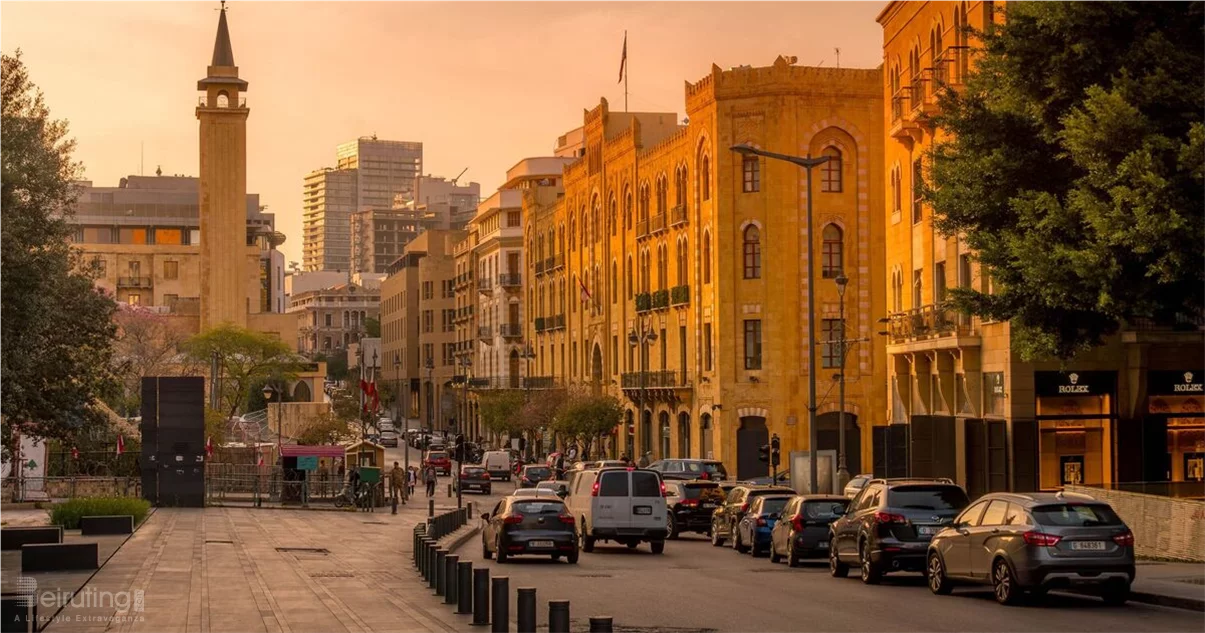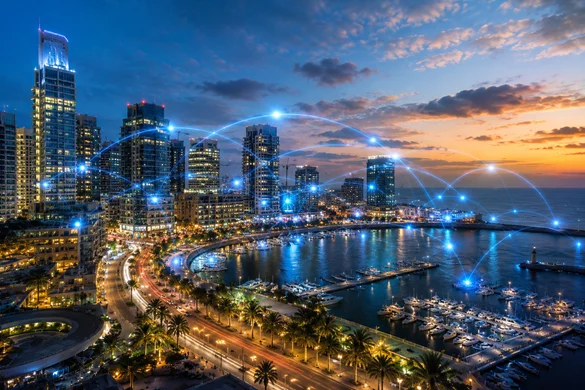




Beirut is continuing to make its mark on the global startup scene, ranking 341st worldwide, 10th in the Middle East, and first in Lebanon in StartupBlink’s latest Global Startup Ecosystem Index, released in April 2026.
The Lebanese capital made notable progress over the past year, moving up 36 positions globally and four places across the region. It also maintained its position as Lebanon’s leading startup ecosystem, remaining ahead of the country’s other cities.
StartupBlink evaluates startup ecosystems through three main areas: the scale of startup activity, the strength and influence of the companies being built, and the overall business conditions within the country. Its annual index covers more than 1,500 cities across 120 countries, making it a widely referenced source for entrepreneurs and investors assessing potential startup locations.
A Closer Look at Beirut's Startup Scene
Beyond the headline ranking, the numbers offer a clearer picture of Beirut's position within Lebanon.
According to the 2026 index, Beirut is home to 108 active startups, representing approximately 89% of Lebanon's total startup ecosystem. That translates to around five startups for every 100,000 residents.
The city also registered a 46.3% increase in its ecosystem score between April 2025 and April 2026. The rise suggests a significant improvement in Beirut's position over the past year, even though the city's startup sector continues to operate under difficult economic conditions.
For Lebanon, the significance of the ranking goes beyond a number on an international list. Beirut remains the country's main center for entrepreneurial activity, with much of its technology talent, startup experience, investment connections, and business networks concentrated in the capital.
For Lebanese entrepreneurs abroad and members of the diaspora looking at opportunities back home, the ranking provides a current benchmark for understanding where Beirut stands within the wider startup landscape.
Beirut Versus Other Middle Eastern Hubs
Beirut's 10th-place position in the Middle East represents an improvement of four spots compared with the previous ranking. However, the region's major Gulf startup centers remain considerably larger and better funded.
Cities such as Dubai, Abu Dhabi, and Riyadh continue to benefit from substantial government investment, startup incentives, and efforts to attract international companies and investors.
Beirut operates under very different circumstances. Lebanon has faced years of financial instability, a severe currency crisis, political uncertainty, and the collapse of much of its traditional banking system since 2019.
Against that backdrop, Beirut's continued presence among the region's recognized startup ecosystems is particularly notable. Much of the city's strength comes from its entrepreneurs, freelancers, technology professionals, and internationally connected Lebanese community rather than from large-scale government-backed funding programs.
Talent Remains One of Lebanon's Biggest Advantages
One of Beirut's strongest assets is its human capital.
Universities including the American University of Beirut and Lebanese American University continue to produce graduates with strong technical, business, and communication skills. Many Lebanese professionals are also comfortable working in Arabic, English, and French, giving local teams an advantage when working with clients and partners across the Gulf, Europe, and other international markets.
Another factor is operating cost. Developers in Beirut working on international contracts can often command salaries in the range of $1,500 to $3,500 per month, depending on experience and specialization. While these figures vary significantly from one role to another, they remain relatively competitive compared with the cost of hiring equivalent talent in many Gulf or European markets.
For international founders, remote companies, and Lebanese entrepreneurs backed by investors abroad, this combination of skilled workers and comparatively lower costs can make Beirut an attractive place to build a team.
Organizations such as Berytech also continue to support entrepreneurs through incubation and acceleration programs while helping connect Lebanese startups with investors, mentors, and members of the diaspora.
The Challenges Behind the Numbers
The ranking, however, does not tell the entire story.
Starting and running a company in Lebanon still comes with major practical difficulties. Electricity shortages, restrictions affecting financial transactions, limited access to local capital, and the continued migration of skilled professionals all create additional pressure for entrepreneurs.
The 46.3% year-on-year increase in Beirut's ecosystem score is significant, but it should also be viewed in context. With 108 startups counted in the index, Beirut's ecosystem remains relatively small when compared with the much larger startup markets emerging across the Gulf.
Rather than presenting the ranking as a complete measure of Beirut's startup potential, it can be viewed as a useful snapshot of where the city stands in 2026.
The bigger question for entrepreneurs and investors is what comes next: which sectors are growing, where funding is coming from, how companies are accessing international markets, and whether Beirut can continue building on the momentum reflected in this year's index.